


Are We Entering the Age of Gaming Leak Culture?
Once upon a time, a video game leak seemed nearly as an almost innocent accident, a gaming magazine published a screenshot too early or a store put a copy on a shelf before the scheduled release date, perhaps an employee at a development studio sent files to the wrong person by mistake. Such events might have been somewhat embarrassing, sometimes a bit harmful, but usually temporary and mostly quirky.
A leak in 2026 is a completely different occurrence and could become a complete marketing event, a political statement, a dangerous piracy scheme or a preservation initiative — sometimes all of the above at once, and the strangest aspect is how fast we have become accustomed to it. Years of NDAs, private servers and painstakingly curated marketing efforts may pass for a game (without any problem) just for someone to abruptly release months or years of development work online.
The most recent examples of such cases, the Grand Theft Auto VI saga and the massive Valve Teraleak — surprisingly show two quite different aspects of this phenomena. One is essentially the worst nightmare scenario for a modern publisher: an upcoming blockbuster hit seemingly escaping into the wild in a form that may be played, copied and even distributed. The other is already approaching the scale of an archaeological expedition dig. It allows fans to access abandoned experiments, prototype beta builds and digital assets that creators have long forgotten about or possibly hoped no one would ever see publically… Yet, both stories point toward the same unpleasant reality;
Perhaps, the Gaming Industry is Cultivating a Type of Leak Culture.
Not only a culture in which leaks occur, but also one in which consumers have grown to expect them, search for them, save them, review them and sometimes even actively demand them. The more games become vast, long-running software projects instead of just "shipping" items, the more there is to actually leak, so here is a better look at both stories.
GTA VI: When a Leak Turns Into a Marketing Nightmare and Piracy Issue
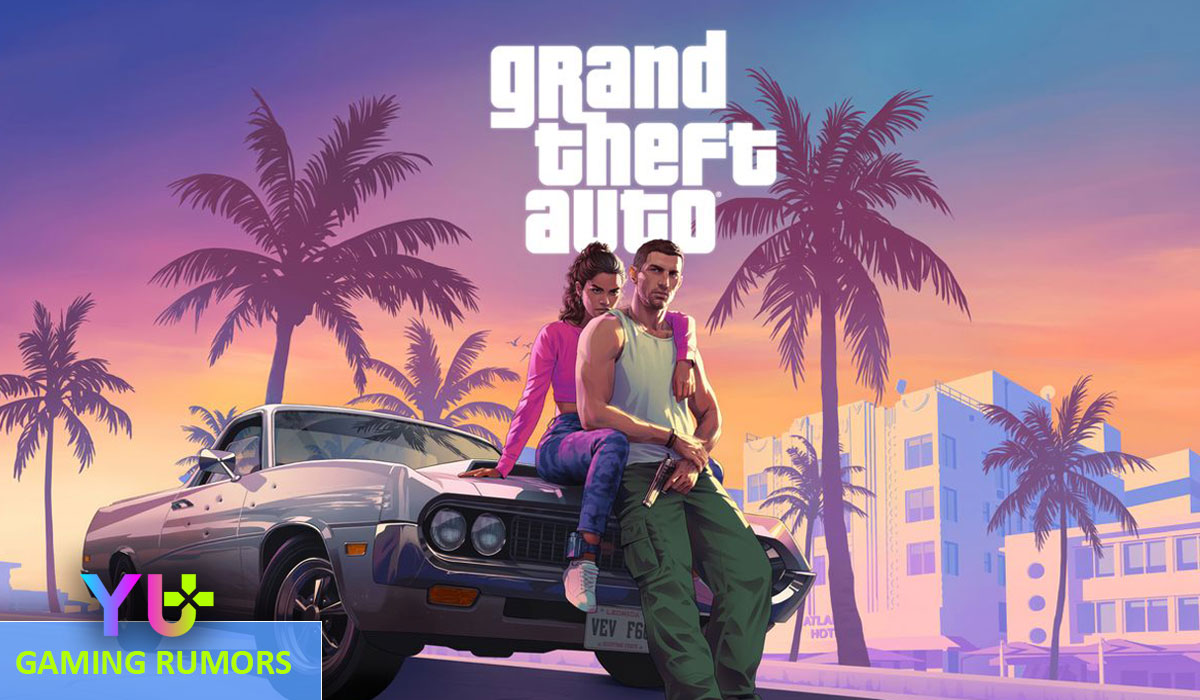
An individual or group working as Cyberleek started releasing alleged GTA VI gameplay video footage just before the official gameplay exhibition, thus exposing locations, cars, characters and gameplay elements before the scheduled Extended Look on August 27th.
The information apparently comprised of map data and gameplay videos; the leaker claimed access to a relatively recent version of the game. This produced a remarkable hype: the most anticipated game in the world was being shown to the audience, as someone was revealing portions of it without permission.
The incentives were also unusual. Cyberleek revealed the leaks, partially in opposition to the Rockstar and Take-Two approach of marketing GTA 6, especially the lack of a conventional game disc, however sharing an unreleased game is not somehow going to transform into fair customer engagement.
And the internet has already shown how fast that could develop into a high-profile threat online. Along with the real leaked content, phony GTA VI "full builds" have started sprawling around. There were already reports about a 113GB fake ISO with malware included instead of the game itself. That by itself generates an odd alternate leaks-based industry. People are searching for stolen material, repackaging it, uploading it, monetizing it and possibly exposing themselves to malware in the process rather than just consuming it.
Take-Two has reacted strongly by seeking DMCA subpoenas meant to identify those disseminating the content on sites like YouTube, Discord and X, that reveals something significant about the current leak cases - the leaked materials don’t always have to be the end result, this is the starting point of a completely different system of illegal distribution. Once a blockbuster is available as code somewhere, someone will want it, someone else will want to keep it, someone will want to study it and someone will want to profit from the buzz around it.
It would seem that Grand Theft Auto VI presents the industry's worst-case scenario of that reality.
The Internet Transforms to a Time Machine: The Valve Teraleak Situation
Then there is Valve, calling the recent 12-terabyte Steam leak the "Valve leak" is rather untrue, as the content goes much beyond the popular Valve games. The massive archive is said to hold data from the previous Steam2 infrastructure spanning between 2003-2013, including thousands of data depots connected to in-house titles and games from many other publishers.
More importantly, this does not seem to be the typical "someone stole from Valve” narrative, as investigations show the content originated from a publically available vintage endpoint linked to past Steam content. In other words, old data just stayed publically available and finally vast amounts of historical material were gathered and shared online.
So, early versions and development material for games like Portal 2, Left 4 Dead, Counter-Strike: Global Offensive and other titles are somewhere within the archive. Fascinating remnants of abandoned works, including found files on F-Stop, the cancelled Portal-related project based on camera manipulation, as well as partial content related to Half-Life 2: Episode Three with more to possibly be found.
Perhaps the ideal illustration of why this leak has enthralled people is for example the mythic Portal 2 core hub era. Early drafts show different plot concepts, deleted conversation dialogue, initial co-op concepts and test procedures never making it into the completed game. Researchers have discovered things like other Portal ideas as the sticky adhesive gel, slow-motion mechanics and even an incomplete weapon model related to the long-mythologized HL2: Episode Three – the Weaponizer.
Another piece of the noteworthy found materials (for now) includes early and much more brutal versions of Left 4 Dead that were deemed too intense for public release, while the third-party material apparently spans through titles like Sonic The Hedgehog 4, Spore, Dragon Age: Origins, Batman: Arkham Asylum, Mafia II, Civilization V, and Spec Ops: The Line as well as other projects that still have not been uncovered.
There are a Few Main Differences Between the 2 Leaks
This is where the difference between the Valve and GTA VI stories becomes so important! The Grand Theft Auto VI one is about gaining access to something upcoming and to be commercially viable, while the Valve archive is mostly bringing attention back towards something that is already a part of history and would have never surfaced otherwise.
Many might view both as the same: "Someone released leaked game materials; gamers downloaded them”, still, culturally they are quite different. The GTA VI leak breaks the established release schedule. It brings damage to the title, erodes marketing and enables the possibility for both commercial and harmful unreleased game piracy.
Meanwhile, the Valve Teraleak exposes the chaotic process behind (un)finished games, therefore attracting great appeal among historians, researchers, modders and preservationists in the community. It reveals to us that Portal 2 was not always the way it is today, those rejected ideas, placeholder assets and unsuccessful tests typically remain hidden somewhere in the digital basement and there is certain fascination with the work-in-progress builds that were never seen before.
That does not make the Valve case legally or morally right of course, Copyright still applies, and third-party developers never expressly agreed to have previous works exposed and it also has concerning signals related to distribution of copyrighted materials coming with it. Perhaps, we could look at 4 other famous leaks that changed the way we talk about things:
- Valve has also had a similar situation to GTA 6 in the past. The source code for Half-Life 2 was taken and made public online in 2003. Fans gathered playable content from it that only showed how unfinished the game still was, months before its official release. The event made one thing clear early on - how damaging a development build leak may be for the gaming industry.
- In 2014, internal design papers including quest details, development notes and storyline elements got leaked for the Witcher 3 at CD Projekt Red. It all provided a fascinating but spoiler-heavy peek at the RPG game. Unlike a completely playable pirate clone, it showed that development documents may become objects of fan obsession.
- The Nintendo Gigaleak in 2020 exposed an extensive library of source code and then further revealed an incredible volume of historical development materials, such as Super Nintendo, Game Boy and Nintendo 64 code, prototype assets and even unannounced mechanics. It turned into a reminder that even decades-old corporate records are never really lost once they become digital and could be a preservationist gold mine at the same time.
- GTA VI suffered another development bump in 2022 with a hack that released almost 90 videos of an incomplete build to the public. Unlike many other well-known stories, this was concrete proof of a big game still under development that showed characters and systems ready years before release and how hard it had become for even the most secretive developers in the business to keep information under wraps for such projects.
This all could give us a solid framework of “leak culture” as sort of a consequence when it comes to gaming becoming increasingly digital, networked, but also archival, and not just a morality piece about piracy and hackers.
We do have to point out that we do not condone such acts of bad practices and games will probably keep getting leaked in the future, just as they have been in the past, but leaks themselves are becoming a part of gaming culture: no matter if its marketing disruption, malicious piracy, preservation archaeology, fandom outrage and activism, they are all now heavily colliding in the same space.